Top Warehouse Pallet Designs for Streamlined Operations
- Kole Global
- Sep 30, 2024
- 3 min read

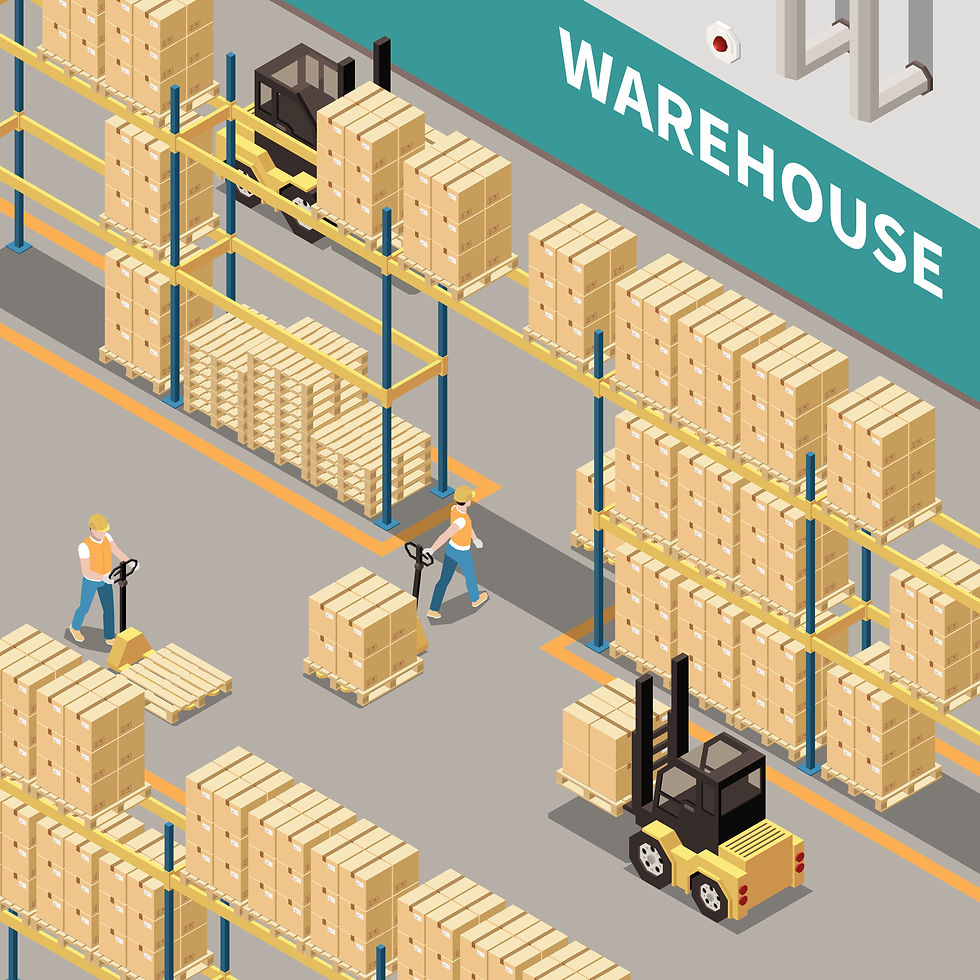
In the world of logistics and supply chain management, warehouse pallets play a crucial role in optimizing storage, improving efficiency, and ensuring the safe transport of goods. Selecting the right warehouse pallet design can significantly impact operations, enabling companies to maximize space and reduce handling times. This blog explores some of the top warehouse pallet designs that can streamline operations and enhance productivity.
Understanding Warehouse Pallets
A warehouse pallet is a flat framework designed to keep products stable while being raised by a forklift, pallet jack, or additional material handling equipment. These pallets come in various designs, sizes, and materials, each suited for different types of goods and storage conditions. The choice of pallet design can influence aspects such as weight distribution, stackability, and overall durability.
1. Standard Wooden Pallets
Wooden pallets are the most common type of warehouse pallet. They are sturdy, cost-effective, and widely available. Standard wooden pallets typically have a two-way or four-way entry, making them versatile for various handling equipment. Their design allows for easy stacking, which is ideal for maximizing vertical storage space. Additionally, wooden pallets are recyclable and can be repaired, making them an environmentally friendly option.
2. Plastic Pallets
Plastic pallets are becoming increasingly popular in warehouse operations due to their lightweight and durable design. Unlike wooden pallets, plastic pallets are resistant to moisture, chemicals, and pests, making them suitable for industries such as food and pharmaceuticals. Their smooth surface makes them easy to clean and sanitize, ensuring compliance with hygiene standards. Furthermore, plastic pallets are available in nestable designs, which save space when not in use.
3. Metal Pallets
Metal pallets are extremely strong and durable when used in heavy-duty applications. These pallets are often made of steel or aluminum and can withstand substantial weight, making them ideal for heavy manufacturing and industrial environments. Metal pallets are also resistant to fire, chemicals, and extreme temperatures, ensuring long-lasting performance in challenging conditions. Their robust design enables stacking and racking, optimizing storage space in warehouses.
4. Stackable Pallets
Stackable pallets are designed to fit securely on top of one another, creating a compact storage solution. This design is particularly useful for warehouses with limited floor space, as it allows for vertical storage. Stackable pallets often feature a reinforced structure that can support the weight of multiple pallets stacked together. This feature not only maximizes storage capacity but also streamlines operations by reducing the time spent retrieving items from different levels.
5. Rackable Pallets
Rackable pallets are designed specifically for use with pallet racking systems. They typically have a reinforced bottom that allows for safe and efficient storage on racks. This type of warehouse pallet design ensures stability and safety during storage and retrieval. Rackable pallets are ideal for environments that require efficient use of vertical space, such as high-bay warehouses. The ability to safely store pallets at various heights contributes to streamlined operations and improved workflow.
6. Custom Pallets
In many cases, businesses may require specific pallet designs tailored to their unique needs. Custom pallets can be designed to accommodate unusual product shapes or sizes, ensuring that goods are stored and transported securely. These pallets can be made from various materials, including wood, plastic, or metal, and can feature unique design elements, such as additional supports or reinforced corners. Custom pallets not only enhance safety but also contribute to efficient operations by reducing the risk of damage during handling.
Choosing the Right Warehouse Pallet Design
When selecting the right warehouse pallet for your operations, it’s essential to consider several factors:
Load Capacity: Ensure the pallet can support the weight of your products.
Material: Choose a material that suits your product requirements (e.g., moisture resistance, chemical resistance).
Handling Equipment: Make sure the pallet design is compatible with the forklifts or pallet jacks used in your warehouse.
Storage Conditions: Consider the environmental factors, such as temperature and humidity, that may affect the pallet's durability.
Conclusion
The design of warehouse pallets plays a vital role in optimizing warehouse operations. By selecting the right type of warehouse pallet, businesses can improve efficiency, reduce handling times, and maximize storage space. Whether opting for standard wooden pallets, durable plastic or metal options, or custom designs, understanding the benefits and features of each type is essential for streamlining operations and enhancing productivity. Investing in the appropriate warehouse pallet design can lead to significant long-term benefits for any warehouse operation.

Comments